Here are some things for you to click, entries include hand drawn sunspots, googly eyed library robots, and more. You can subscribe via email or RSS.
Here are some things to click for the 22nd week of 2024.
Another edition of Things to Click for your Friday! Subscribe via email or RSS if you are so inclined.
If the web is now a metaphorical barren wasteland, pillaged by commercial interests and growth-at-all-costs management consultants, then I’m all the more motivated to keep my little patch of land lush, and green, and filled with rainbow flowers.
— My own little patch - Rach Smith
The scale of the algorithm exceeds even our own understanding; its returns benefit only its owners and leave the rest of us awash in noise and bereft of understanding.
— Unscalable, Hand-Crafted Lists of Links - Christopher Butler
Every place I’m from is gone because it’s not just a place, it’s a place at a certain time. It would take a time machine to go back.
— Should I move back to France? - Mike Monteiro
Should I move back to France?

“Every place I’m from is gone because it’s not just a place, it’s a place at a certain time. It would take a time machine to go back.”
airtraveldesign.guide
A resource for air travel designers, policy makers and enthusiasts, that describes the design of artifacts / spaces / systems that impact the passenger experience of air travel.
Boring Sound Kit
A sound kit for prototyping and play.
linkpantry.com
A collection of links on various topics.
strength of one —

A man and his cigar on whatever comes our way
Guide - Air Travel Design Guide

Air ︎ Travel Design Guide The Air Travel Design Guide is a guidebook for airport stakeholders, designers, and air travel enthusiasts, which…
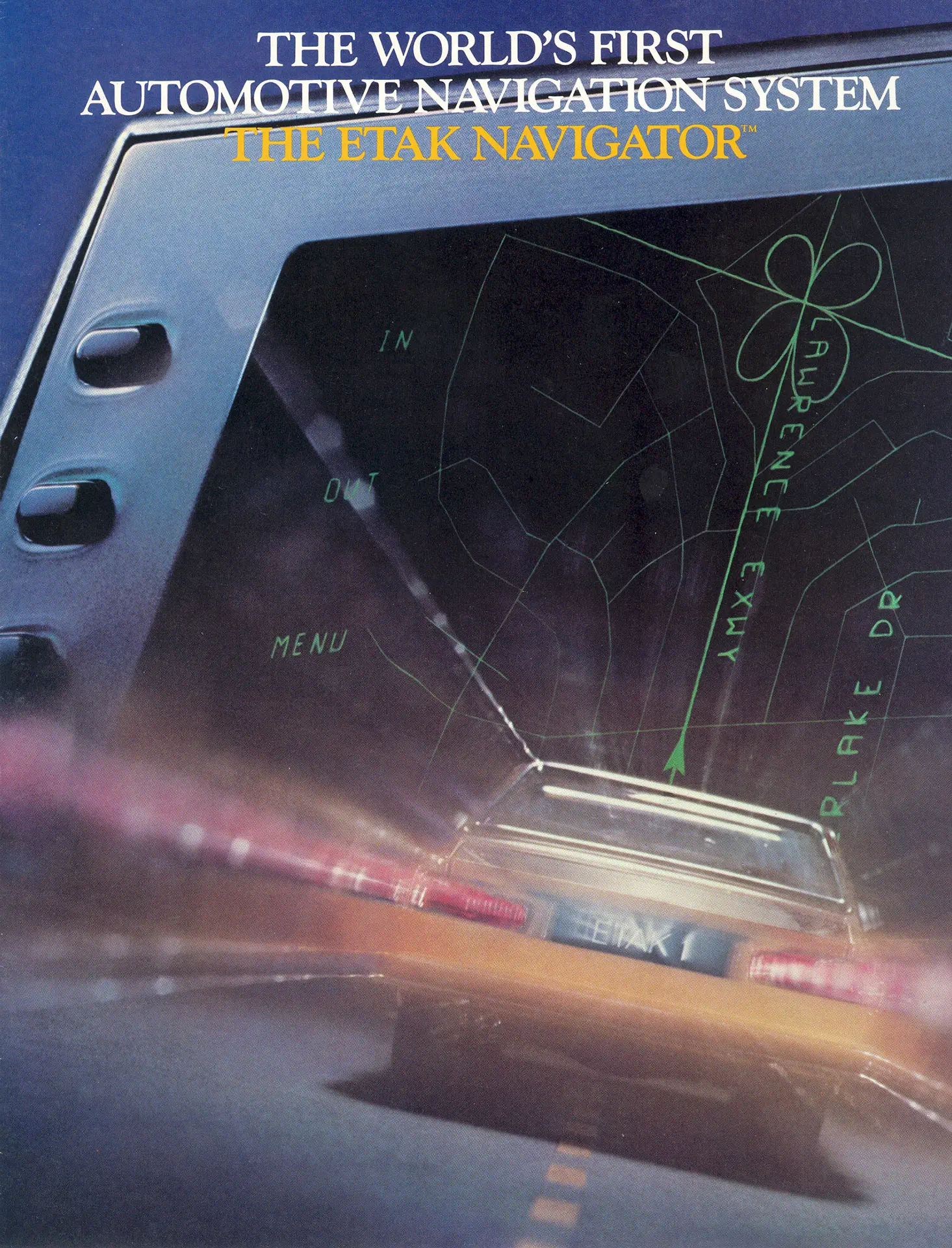
Who Needs GPS? The Forgotten Story of Etak's Amazing 1985 Car Navigation System - Fast Company

With backing from Atari’s cofounder, an engineer-navigator brought high-tech driving directions to cars–during the Reagan Administration.
I just sent Things to Click for this week! Subscribe via email or RSS if you are so inclined.
Inflatable Moon Base (dezeen.com)
By way of rocket summer (are.na)
CLÉMENT VUILLIER
Cargo
Ordered back to the office, top tech talent left instead, study finds.
wapo.st/3UXOJDe (gift link)
Abandoned blogs
abandoned blogs | Are.na

(mostly) abandoned blogs
The latest version of Things to Click has been sent! Subscribe via email or RSS if you are so inclined.
The Third Thing by Donald Hall | Poetry Magazine

Jane Kenyon and I were married for twenty-three years. For two decades we inhabited the double solitude of my family farmhouse in New Hampshire, writing poems, loving the countryside. She…
The gentle art of pottering — That’s Not My Age

May is the unofficial start of the pottering season. For the uninitiated, pottering involves wandering aimlessly around the house or garden in a pleasingly disassociated meditative state, straightening pictures, wiping plant leaves, or de-bobbling jumpers.
Weeknotes 14

The author imitates a publication. Featuring the usual suspects: interesting internet links, enjoyable media, some art. New this time: a poetry section!
A neat little ASCII town to explore